PRF Hair Restoration Pre & Post Care Instructions
Regenerative support for thinning hair
Platelet-Rich Fibrin (PRF) is an autologous treatment, meaning it is created from your own blood. After a blood draw, the blood is processed to concentrate platelets, fibrin and other cellular components. The injectable PRF is then strategically placed into areas of the scalp affected by thinning.
PRF is being studied as a regenerative treatment for hair loss, particularly androgenetic or pattern hair loss. Early clinical evidence suggests injectable PRF may improve hair density and growth, but PRF protocols and long-term outcomes are still being studied. Results vary, and no treatment can guarantee new hair growth.
Hair loss has many possible causes. A proper evaluation is important because the best treatment plan depends on why you are losing hair, not simply the presence of thinning. The American Academy of Dermatology similarly recommends identifying the type and cause of hair loss before choosing treatment.
Before Your Appointment
Preparing for PRF Hair Restoration
COME WITH A CLEAN SCALP
Wash your hair the day of treatment and arrive with a clean scalp. Do not apply dry shampoo, hairspray, fibers, gels, oils, serums or styling products before your appointment. Johns Hopkins also recommends washing the hair the day of platelet-based hair treatment and avoiding hair products beforehand.
EAT BEFORE YOUR APPOINTMENT
Please eat a normal meal before arriving. Because a blood draw is required, coming in fasting may increase the chance of feeling lightheaded.
HYDRATE
Drink plenty of water beginning the day before and the morning of your appointment. Good hydration can make your blood draw easier.
MEDICATIONS & SUPPLEMENTS
Tell us about all prescription medications, over-the-counter medications and supplements you take.
Do not stop aspirin, anticoagulants, prescription medications or medically recommended supplements on your own. Any medication changes should only be made with approval from the clinician who prescribed them.
LET US KNOW BEFORE TREATMENT IF YOU HAVE:
An active scalp infection, open wound or significant scalp irritation
A new or unexplained type of hair loss
Recent illness or fever
A bleeding or platelet disorder
Significant anemia or another condition that could affect your blood draw/treatment
Pregnancy or breastfeeding
A history of fainting with blood draws
Your provider may recommend postponing treatment or obtaining further evaluation depending on your medical history.
After Your Appointment
Some tenderness after scalp injections is expected. Published studies of platelet-based scalp treatments have reported temporary scalp tenderness, tightness, swelling, redness, headache and minor injection-site bleeding. These effects are generally short-lived.
For the first 48 hours
DO NOT WASH YOUR HAIR FOR 48 HOURS
This allows the treated scalp to remain undisturbed immediately following the procedure. Johns Hopkins advises avoiding washing the treatment area for 48 hours after platelet-based hair treatment.
Avoid:
Scratching, rubbing or aggressively massaging the scalp
Picking at injection sites
Applying unnecessary hair products to the treated scalp
Hair coloring, bleaching or harsh chemical scalp treatments during the immediate healing period
Introducing products that sting, burn or irritate the scalp
After approximately 48 hours, you may gently wash your hair unless we have given you different instructions based on your treatment.
Use lukewarm water, gentle shampoo and avoid aggressive scrubbing.
YOUR AT-HOME HAIR PROGRAM MATTERS
Your treatment does not end when you leave the office.
PRF is one component of a comprehensive hair-restoration program.
Your provider may recommend a specific at-home scalp/hair serum based on your hair-loss pattern and treatment plan.
Use your recommended serum consistently as directed.
Unless we specifically instruct you otherwise, wait until the initial 48-hour post-treatment period has passed before restarting topical scalp products.
Consistency matters. Hair follicles follow a long growth cycle, so your home program should continue between your PRF appointments rather than stopping once the injections are completed.
Think of it this way:
In-office treatment + consistent home therapy + time = your complete hair-restoration strategy.
Do not add multiple new hair-growth products on your own immediately after treatment. If you would like to incorporate another product, discuss it with us so your regimen can be coordinated.
What to Expect
During Your Appointment
A small amount of blood will be drawn and processed to prepare your PRF.
Depending on the treatment area and plan, PRF may then be injected using a needle or cannula.
You may feel:
Pressure
Pinching
Stinging
Tenderness
Temporary fullness
Numbing may be used depending on the treatment area and technique.The treated area may initially look more swollen or prominent than the final result.
What to Expect After PRF
WHAT SHOULD I EXPECT?
Hair restoration is a process, not an overnight result.
Because hair follicles cycle slowly, changes typically develop over several months rather than several days.
Early improvements may include:
Decreased appearance of shedding
Improved hair quality
Increased appearance of fullness
Improvement in hair density over time
Results vary significantly depending on the cause and severity of hair loss, follicle viability, age, genetics, hormones, nutritional factors and consistency with the overall treatment plan.
Evidence for platelet-based treatments is strongest for pattern hair loss, and studies have found improvements in hair density, although the research remains heterogeneous.
PRF cannot create a new follicle where a follicle no longer exists, and advanced areas of permanent follicular loss may respond less favorably than areas containing miniaturized but viable follicles.
YOUR PRF HAIR TREATMENT SERIES
Hair restoration is usually not a one-treatment procedure.
PRF-specific protocols have not yet been standardized. Current studies have generally evaluated a series of treatments rather than one isolated session. A recent randomized study of injectable PRF used four treatments approximately four weeks apart.
At Elcin Aesthetics
Your treatment plan will be individualized based on:
Pattern and degree of thinning
Hair-loss diagnosis
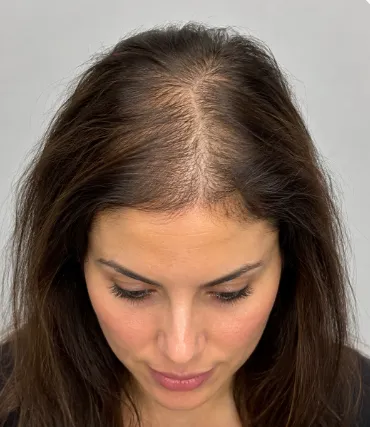
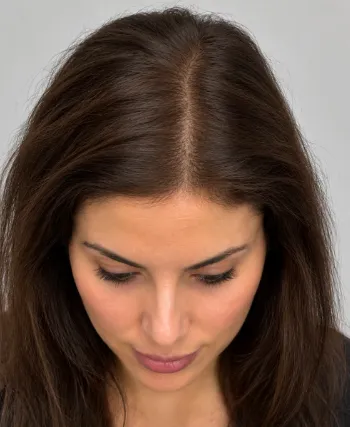
Baseline photographs
Response to treatment
Medical history
Home treatment program
Other hair-restoration therapies you may already be using
A reasonable evidence-informed starting approach is often 3–4 treatments approximately one month apart, followed by reassessment and an individualized maintenance plan rather than promising a fixed number of treatments for every patient.
When Will I See My Final Result?
For PRF hair restoration, not to judge the final result too early.
Most patients should expect the treatment to evolve over several months. Early changes, such as decreased shedding or improved hair quality, may become noticeable around 2–3 months. More visible improvement in density and fullness often develops around 4–6 months.
A good patient-facing line would be:
When will I see my final result?
Hair growth is gradual. You may begin noticing early changes within 2–3 months, with more visible improvement in hair density and fullness around 4–6 months. Your result may continue to evolve beyond that depending on your treatment series, the cause of your hair loss, and how consistently you follow your at-home hair regimen.
For your page, I’d avoid promising a hard “final result at X months,” because PRF protocols and responses vary. “Best assessed around 4–6 months after completing the initial treatment series” is safer and more accurate.
WHY DOES IT TAKE SEVERAL MONTHS?
PRF cannot make a new hair appear overnight.
First, the follicle has to move through its natural biological cycle. Then, if it responds to treatment, it must begin producing a new hair. That new hair must then grow long and thick enough to become noticeable.
That is why the timeline generally looks more like:
First several weeks:
Changes may not yet be visible.
Around 2–3 months:
Some patients may begin noticing changes in shedding, hair quality, or early growth.
Around 4–6 months:
Changes in fullness and density may become more noticeable.
After completing your treatment series:
Your progress is best evaluated using standardized photographs and follow-up examinations rather than judging your hair from day to day.
Results vary depending on your diagnosis, degree of follicle miniaturization, genetics, hormones, nutritional status, medical conditions, age, and adherence to your treatment plan.
THE MOST IMPORTANT THING TO REMEMBER
Hair restoration requires patience because we are working with your natural hair-growth cycle — not against it.
How Many PRF Treatments Will I Need?
For optimal results, we typically recommend starting with a series of 3–4 PRF treatments, spaced according to your treatment plan and the area being treated.
After completing your initial series, many patients choose a maintenance treatment every 6–12 months to help support ongoing skin quality and regenerative goals.
Your ideal treatment schedule may vary depending on your age, skin quality, treatment area, goals, and individual response to PRF.
When to Contact Us
Please contact Elcin Aesthetics if you have questions about your recovery or experience symptoms that concern you.
When to Contact Us
When to Contact Elcin Aesthetics
Please contact us if you experience:
Swelling that is severe, progressively worsening, or not beginning to improve as expected
Increasing redness rather than gradual improvement
Increasing warmth or swelling
Increasing or significant pain
Pus or unusual drainage
Fever or chills
A spreading rash
Hives
increased worsening pain
Severe or persistent headache
Significant or persistent asymmetry after the expected swelling period
New blistering or open sores
Any unusual skin discoloration
Any symptom that concerns you or is worsening rather than improving
WHEN TO CONTACT US
Mild tenderness, redness, swelling or sensitivity around injection sites can occur after treatment and usually improves.
Any symptom that concerns you or seems unusual
Any symptom that concerns you or seems unusual
For a serious or rapidly developing medical emergency, seek emergency medical care.
Seek Urgent Medical Attention
Seek urgent medical evaluation for:
Difficulty breathing
Severe swelling of the lips, tongue, face, or throat
Sudden vision changes
Significant eye pain
Severe or rapidly escalating pain
Marked blanching, dusky discoloration, or other concerning skin-color changes
Any severe or rapidly progressing reaction
Support Your Results at Home
Your skin may feel temporarily sensitive after treatment.
A gentle skincare routine can help support the skin while it recovers. Depending on your skin and treatment area, we may recommend:
Gentle cleanser
use recommended at home treatmentzs to continue to improve the
Hyaluronic acid for hydration when appropriate
Peptide-containing skincare when appropriate
Daily broad-spectrum sunscreen
Ask us about our recommended post-treatment skincare products and when to restart your normal routine.
CONTINUE YOUR AT-HOME HAIR PROGRAM
Your treatment does not end in the office.
Continue using your recommended at-home scalp and hair treatment as directed. A healthy scalp environment can help support normal barrier function, reduce irritation and maintain a balanced scalp microbiome, all of which are important for healthy hair growth.
Your home regimen may also include ingredients selected to support the hair follicle, improve the appearance and strength of existing hair, and complement your in-office PRF treatments.
PRF works through platelet-derived growth factors and signaling proteins that may support tissue repair, angiogenesis and the follicular environment. Your at-home therapy is intended to support scalp health and maintain the treatment plan between appointments, rather than replace your PRF series.
Consistency matters. Hair growth occurs over months, so continuing your recommended home treatment can help support the best possible environment for healthy follicle function and stronger-looking hair.
Do not wait to hear back from Elcin Aesthetics if you are experiencing vision changes, neurologic symptoms, or another medical emergency. FDA patient guidance specifically identifies vision changes and stroke-like symptoms as reasons to seek immediate medical attention after dermal filler treatment.
Do not wait for a routine office response if you believe you are experiencing a medical emergency. Call 911 or go to the nearest emergency department.
These instructions provide general guidance and do not replace individualized medical advice, informed consent, examination, or instructions given by your treating clinician. Recommendations may vary depending on your medical history, filler product, treatment area, injection technique, and procedure performed.
+Exosomes
CONSIDER AN EXOSOME ADD-ON
Enhance Your Regenerative Hair Restoration Plan
For patients looking to take a more comprehensive regenerative approach, exosome-based therapy may be considered as an optional add-on to your hair-restoration treatment plan.
Exosome products contain extracellular signaling particles and biologically active components designed to support cell-to-cell communication. In aesthetic and hair-restoration settings, they are being studied for their potential role in supporting the scalp environment and regenerative response.
Why Consider Adding Exosomes?
When clinically appropriate, exosome therapy may be incorporated alongside treatments such as:
✓ PRF Hair Restoration
✓ Scalp Microneedling
✓ Other regenerative scalp treatments
The goal is to support the overall treatment environment while your individualized hair-restoration program addresses thinning and scalp health.
Your treatment can be customized. Ask us which add-on may be best for your skin and goals.
Who May Consider This Add-On?
Exosome therapy may be worth discussing if you:
Want a more comprehensive regenerative treatment plan
Are already undergoing PRF or scalp microneedling
Want to maximize your in-office treatment strategy
Are committed to combining professional treatments with consistent at-home care
Important to Know
Exosome therapy for hair restoration is an emerging treatment area. Products, protocols, and clinical evidence vary, and results cannot be guaranteed. It should be viewed as an adjunct to a personalized hair-restoration plan, not a replacement for evaluation, proven medical therapies when appropriate, or consistent home care.
ADD EXOSOMES TO YOUR TREATMENT PLAN
Ask your provider whether an Exosome Hair Restoration Add-On is appropriate for you.
Your best results come from combining the right in-office treatments with a consistent at-home strategy.
→ Add Exosome Therapy to My Hair Restoration Plan
May read more about Exosomes pre and post care for skin and hair benefits: https://care.elcinaesthetics.com/exosomescare
Complete Your Treatment Plan
Hair restoration continues between appointments.
Your treatment does not end in the office.
Hair restoration works best as a comprehensive, consistent plan. Depending on the cause of your hair loss, degree of thinning, and your individual goals, your personalized treatment plan may include:
PRF is not a one-and-done treatment.
Your results depend on creating a complete hair-restoration strategy that may include your PRF treatment series, consistent use of your recommended at-home serum, treatment of the underlying cause of hair loss when appropriate, and maintenance therapy.
Complete your recommended PRF series.
Use your prescribed/recommended home serum consistently.
Keep your follow-up appointments.
Healthy hair is built over time.
Your treatment starts in our office — but it continues at home.
Depending on your goals, your personalized plan may also include:
PRF Hair Restoration Series
A series of PRF treatments may be recommended to support thinning areas and improve the appearance of hair density over time. Your treatment schedule will be customized based on your response and goals.
Your Recommended At-Home Hair Serum
Consistent home therapy is an important part of your plan. Use the scalp or hair-growth serum recommended by your provider exactly as directed. Your progress continues between appointments — not just while you are in our office.Scalp Microneedling
For appropriate patients, microneedling may be incorporated into a broader hair-restoration plan to stimulate the scalp and support the treatment of thinning areas.Exosome Therapy Add-On
For appropriate patients, exosome-based therapy may be considered as an adjunctive add-on to a broader hair-restoration plan. It may be used alongside procedures such as microneedling or other regenerative treatments to support the scalp environment and overall treatment strategy.
Exosome therapy for hair restoration is still an evolving area, and products, protocols, and clinical evidence vary. It should be considered an adjunct rather than a guaranteed or stand-alone hair-growth treatment.
Medical Hair-Loss Therapy
Depending on the cause of your hair loss, your provider may discuss evidence-based topical or prescription treatments such as minoxidil or other medical therapies when clinically appropriate. These treatments are not appropriate for everyone and should be individualized.Low-Level Light / Laser Therapy
Certain patients may benefit from an at-home light or laser device as an adjunct to their treatment program. Consistent use is important if this therapy is recommended.Hair & Scalp Evaluation
Hair loss can have many causes. If your pattern of hair loss suggests an underlying medical, hormonal, nutritional, or dermatologic condition, additional evaluation or referral may be recommended before or alongside treatment.Maintenance PRF Treatments
Hair restoration requires ongoing management. After completing your initial treatment series, periodic maintenance treatments may be recommended based on your response and progression.
Treat the Areas That Need It Most
PRF can be strategically directed toward areas of thinning such as the:
✓ Frontal hairline
✓ Temples
✓ Mid-scalp
✓ Crown / vertex
✓ Areas of diffuse thinningYour treatment pattern will be determined by your individual hair-loss pattern and clinical evaluation.
MAINTAIN YOUR RESULTS AT HOME
Your in-office treatment is only one part of your hair-restoration program.
Use your recommended home serum consistently.
Follow your personalized scalp and hair-care regimen.
Keep your scheduled treatment appointments.
Take standardized progress photographs when recommended.
Attend follow-up visits so we can evaluate your response and adjust your plan.NOT SURE WHAT YOU NEED?
Hair loss is not one-size-fits-all. Not every patient needs every treatment. Your plan should be based on the cause of your hair loss, your scalp health, your pattern of thinning, and your goals.
COMPLETE YOUR TREATMENT PLAN
Healthy hair takes time, consistency, and the right strategy.
Your treatment starts in our office — but it continues at home.
Maintain Your Results at Home
Ask us about a personalized Derma Made skincare routine designed to support hydration, barrier health, pigmentation, and overall skin quality between treatments.
Not Sure What You Need?
Your treatment plan should be customized — not every patient needs every treatment. Ask us which combination may best support your skin, anatomy, and goals.
Build My Personalized Treatment Plan
and
Explore Derma Made Skincare
Ask us at your appointment which options may be appropriate for you.
Explore Treatments
or
Book a Complimentary Consultation
CLICK HERE booking page: https://elcinaesthetics.janeapp.com/